Things to Do in Yaounde in November
November weather, activities, events & insider tips
Low Season · Budget Friendly
November Weather in Yaounde
Long-run averages for November
82°F (28°C)
High Temp
67°F (19°C)
Low Temp
3.7 inches (94 mm)
Rainfall
83%
Humidity
11
Sunny-Day UV
⚠ Wet-season leftovers still pack punch. Afternoon storms hit hard, flooding low roads near the Mfoundi river and Lac Municipal in minutes. Skip these areas when rain starts. Drainage here cannot handle volume. Water climbs fast.
⚠ November brings peak mosquito activity. Standing water from prior months creates ideal breeding conditions. Malaria remains endemic in Yaounde, elevation 750 m (2,460 ft) notwithstanding. Start prophylaxis before you arrive. Follow your physician's protocol exactly.
Is November Right for You?
Weigh the advantages and considerations before booking
Advantages
- + November pulls Yaounde out of its brutal wet season. September and October hammer the city with 20.7 inches (526 mm) combined. By November, rainfall plummets to 3.7 inches (94 mm). Mornings stay dry and warm. You can tackle the hilly terrain on foot before afternoon clouds gather. The canopy stays lush from months of rain. You skip the daily soaking that made outdoor exploration miserable.
- + Hotel rooms open up in November. Yaounde's accommodation targets diplomatic travelers and conference delegates heavily. The late-year institutional calendar thins out between major AU and CEMAC summits. Rooms needing weeks of advance booking in peak March or June season become walkup-available. Rates drop noticeably from midyear highs.
- + Evenings cool to around 67°F (19°C). This makes outdoor dining pleasant. Bastos and Nlongkak hilltop neighborhoods come alive after dark. Grilled fish smoke drifts between compounds. You can sit outside for hours. Skip the sticky oppression of deep wet-season months when humidity pushes past 89%.
- + November hits the sweet spot for rainforest day trips. Mefou Primate Sanctuary and Ebogo ecotourism site sit south of the city. Laterite roads have dried enough to be passable. They have not yet turned to the choking red dust of January and February. The forest floor stays damp underfoot. Primate populations remain active and visible. They retreat deeper into canopy during driest months.
Considerations
- − Afternoon storms still hit between 2pm and 5pm. These lack the apocalyptic intensity of September. They still overwhelm Yaounde's poor drainage. Ankle-deep rivers form along major roads like Boulevard du 20 Mai. Schedule outdoor activities for morning. Build flexibility into your afternoon plans.
- − Roads suffer in November. Heavy rain months have destroyed marginal surfaces. Potholes on the Mvan-Nsimalen airport highway can swallow tires. Taxi rides take longer. Bend-skin motorbike taxis become risky on slick laterite hills. Cross-town journeys stretch from twenty minutes to forty-five.
- − Mosquitoes peak in November. Standing water from rains creates breeding conditions in lower-lying neighborhoods. Yaounde sits at roughly 750 m (2,460 ft) elevation. This helps compared to coastal Douala. Malaria prophylaxis is non-negotiable. Pack DEET-based repellent for evenings outdoors. Watch out around Lac Municipal and the Mfoundi river corridor.
Best Activities in November
Top things to do during your visit
November in Yaounde arrives like an exhale after months of downpour. October drenches the city with nearly twelve inches of rain. But by early November the storms thin to brief afternoon showers that leave the air smelling of wet laterite and wood smoke from neighbourhood cook fires. Daytime temperatures settle around 28°C, warm enough to raise a light sweat on the walk up to Mont Fébé but cooled each evening to a comfortable 19°C as breezes slide down the city's seven hills. The transition is palpable. Gutters that ran brown with runoff just weeks earlier dry to a trickle, and the canopy of mango and avocado trees along Boulevard du 20 Mai gleams an almost theatrical green, still gorged from the rains. By the last week of November, the drying trend accelerates. Rainfall drops sharply, and locals begin spending longer evenings outdoors, grilling plantains and fresh mackerel over charcoal along the roadside stalls near Marché Mokolo, the sweet char mixing with the sharper scent of ground white pepper and smoked crayfish. Yaounde in this shoulder moment between wet and dry sits in a rare pocket of calm. The academic quarter hums as universities fill back up after the long vacation, and moto-taxi drivers weave through the Carrefour Nlongkak roundabout with a restored confidence now that the slick roads have begun to grip again. Restaurants around the Bastos neighbourhood fill with the earthy, slightly bitter aroma of ndolé, Cameroon's signature dish of stewed bitter leaves and ground peanuts, ladled over bobolo, the warm, dense cassava rolls wrapped in banana leaves that squeak faintly when you unwrap them. For travellers, the timing is strategic. Accommodation is easier to secure than during December's holiday rush, and the softening rains mean excursions to forests and reserves south of the city become more navigable, with trails firm enough to walk without sinking ankle-deep in mud. Yaounde rewards visitors who come now with a city that feels settled into its own rhythms rather than performing for a tourist calendar.

Visit the Ebogo site and Méfou Park from Yaoundé
otherVisit the Ebogo site and Méfou Park from Yaoundé combines two destinations south of the capital that together reveal the forested heartland most city visitors never reach. The morning begins at Méfou National Park, a primate sanctuary where rescued gorillas, chimpanzees, and mandrills live in semi-wild enclosures beneath a closed rainforest canopy so dense the light filters down in pale green shafts. The air here is thick, warm, and laced with the acrid sweetness of decomposing fruit and wet bark, and the calls of the primates, the low, resonant hoots of chimps and the sharp bark of a startled mandrill, carry through the trees with a clarity that makes the forest feel smaller than it is. From Méfou, the trip continues to the Ebogo ecotourism site on the Nyong River, where a pirogue glide along the dark, still water passes beneath overhanging raphia palms whose fronds brush the surface with a papery rustle, and the river itself smells of tannin-rich sediment, like steeped tea leaves.
Méfou is one of the few places in Central Africa where you can observe great apes at close range in a forested sanctuary, paired with a river journey through primary equatorial habitat most travellers only see from a bus window.
Insider tip: Arrive at Méfou by 8 a.m. before the midday heat sends the primates deeper into cover. The gorillas are most active and visible in the first two hours after the sanctuary opens, and your guide will know which enclosures had recent feeding.
This month: November's reduced rainfall firms up the forest trails at Méfou and the access road to Ebogo, both of which can be muddy and slow in the peak wet months of September and October.

Yaoundé City Tour
guided_experienceYaoundé City Tour covers the capital's layered geography in a single guided sweep, from the administrative plateau where government ministries stand in blocky concrete behind trimmed hedgerows down through the commercial chaos of the Marché Central, where vendors hawk pyramids of scarlet tomatoes and bundles of fresh okra under corrugated tin roofs that amplify every shout and the persistent tinny blare of portable radios. The tour threads through the Quartier du Lac neighbourhood, past the Reunification Monument, a spiralling concrete form commemorating the 1961 union of French and British Cameroon, and up toward the Musée National, housed in the former presidential palace, where carved Bamoun masks and Bamiléké beadwork sit in cool, dim rooms that smell faintly of lacquer and old wood. The climb to Mont Fébé rounds out the day, the laterite path giving way to a panoramic overlook where the city spreads below in a patchwork of green canopy, rust-coloured rooftops, and the grey ribbon of the Mfoundi River cutting through the valley.
A structured route through a city that otherwise reveals itself slowly, connecting the colonial-era architecture, the market economy, and the hilltop geography that gives Yaounde its nickname as the city of seven hills.
Insider tip: Ask your guide to stop at a rooftop terrace near the Basilique Marie-Reine-des-Apôtres on Mont Fébé for a cold Beaufort or Top beer. The brewery is local, and the view at that altitude, with the afternoon haze burning off the hills, is the best vantage point in the city.

The Dja Biodiversity Reserve Safari 7Days/ 6 Nights
otherThe Dja Biodiversity Reserve Safari 7Days/ 6 Nights is the deep-forest expedition that anchors any serious wildlife itinerary in Cameroon. The Dja Faunal Reserve, a UNESCO World Heritage site southeast of Yaounde, sits inside one of the largest and most intact tracts of rainforest remaining in Africa, encircled almost entirely by the Dja River, whose slow brown current carves a natural moat around roughly five thousand square kilometres of lowland jungle. Inside, the forest closes overhead into a near-continuous canopy that blocks most direct sunlight, leaving the understory in a permanent green twilight where the air is warm, heavy, and saturated with the smell of damp humus and rotting wood. Western lowland gorillas, forest elephants, and over a hundred bird species, including the grey parrot, whose grating, metallic squawk is often the first sound you hear at dawn, inhabit a reserve that sees almost no casual visitors. The multi-day format is not optional. Reaching the interior camps requires overland travel on unpaved roads followed by river crossings and guided forest walks where the trail is often just a machete line through dense undergrowth, and the sound of your own footsteps on the leaf litter is the loudest thing for kilometres.
The Dja Reserve is one of the last large-scale equatorial forests where gorillas and forest elephants range freely without fencing or managed corridors, accessible only through multi-day expeditions that place you inside a remote ecosystem.
Insider tip: Pack waterproof bags for all electronics and clothing. Even in drier months the forest canopy drips constantly, and river crossings by pirogue sit low in the water. A headlamp with a red-light mode is essential for night walks where your guide will point out nocturnal primates like pottos and galagos.
This month: November's rainfall in the Dja basin drops sharply from the September and October peak, making river levels more predictable for pirogue crossings and reducing the likelihood of trail washouts that can strand vehicles on the access roads for hours.
Where to Stay in Yaounde in November
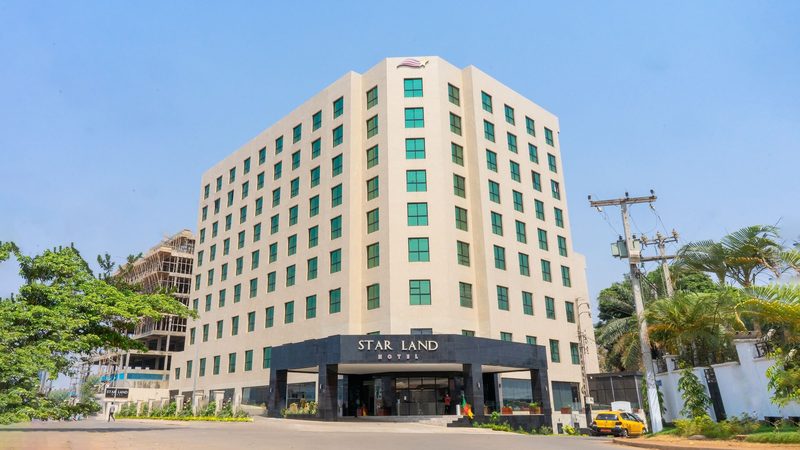
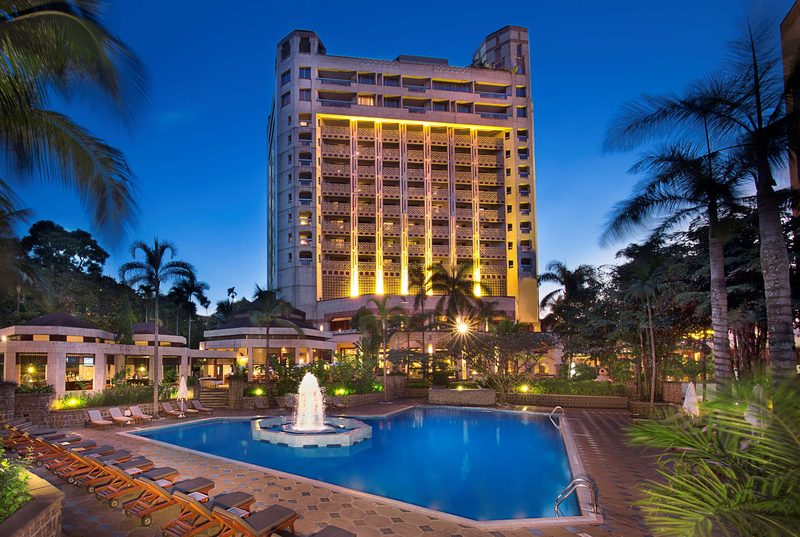
Hand-picked hotels across price tiers for November travellers.
Packing Checklist
Bookmark this page — your progress is saved between visits
Need the full list with shopping links?
Climate-specific gear, brand recommendations, and what to leave at home.
View Yaounde Packing List →Essential Tips
Insider knowledge and common pitfalls to avoid
Insider Knowledge
Yaounde's taxi system operates on shared routes, not meters. Yellow taxis cruise fixed corridors. You flag one down by pointing in the direction you're heading. The driver either nods and you get in, or waves you off because your destination isn't on their current run. Negotiating a private 'depot' fare for a door-to-door ride costs roughly four to five times the shared rate. Knowing the name of the nearest major intersection to your destination, rather than a street address, is how the system works.
The safest and most interesting neighborhood for first-time visitors to base themselves is the Bastos area, which sits on a hill northwest of the centre. It's where most embassies are located. This means better road maintenance, more reliable power, and a concentration of restaurants and bars within walking distance. The trade-off is that it feels insulated from the real city. For a grittier, more immersive experience, the Messa and Mvog-Ada neighborhoods put you closer to everyday Yaounde life, with market proximity and lower accommodation costs.
Cameroonians eat their main meal at lunch, not dinner, and the city's best food reflects this. The small restaurants called 'tourne-dos' ( 'turn your back,' because the kitchen faces away from the street) serve massive plates of ndole, the bitterleaf-and-groundnut stew that is arguably Cameroon's national dish, between noon and 2pm. By evening, most tourne-dos have closed or switched to a limited menu. If you want to eat the way Yaounde eats, restructure your day around a serious lunch.
The area around the Lac Municipal, the small artificial lake in central Yaounde, looks inviting for an evening stroll but empties out after dark and has a reputation for petty crime. Locals walk the perimeter in the early morning, when joggers and families create safety in numbers. But avoid it after sundown. The surrounding Quartier du Lac has good restaurants that are fine to visit at night by taxi. But walking the lakeside path itself after about 7pm is not advised.
Avoid These Mistakes
Arriving without CFA francs and assuming ATMs or card payments will be straightforward. Yaounde's banking infrastructure is unreliable: ATMs run out of cash, on weekends, and card machines outside of high-end hotels are rare. Change enough hard currency at the airport to cover your first two days, and replenish at bank branches in the Hippodrome neighbourhood during weekday mornings.
Booking all travel through Douala instead of using Yaounde's own Nsimalen International Airport. Many international flights route through Douala, and travelers assume they need to take the four-hour intercity road to reach Yaounde. Direct flights to Nsimalen from several African and European hubs exist, and even when connecting through Douala, domestic flights take 45 minutes versus a road journey that, in November's post-rain road conditions, can stretch to five hours.
Treating Yaounde like a walking city with reliable navigation. Street names exist on maps but are rarely posted or used in conversation. Landmarks are the navigation system: 'near Carrefour Bastos,' 'behind the Hilton,' 'opposite the Nlongkak pharmacy.' Trying to follow a digital map on foot will lead you down unmarked alleys and through construction sites. Learn the landmark names for your key destinations before you head out, and don't hesitate to ask directions repeatedly. People are accustomed to it and generally patient.
Ready to plan your trip to Yaounde?
Now that you've got the research covered, here's where to go next.
Explore More Activities in Yaounde
Didn't see anything interesting yet?
Browse Viator's full catalog of tours, day trips, food experiences, and private guides in Yaounde.
See All Yaounde Tours on Viator